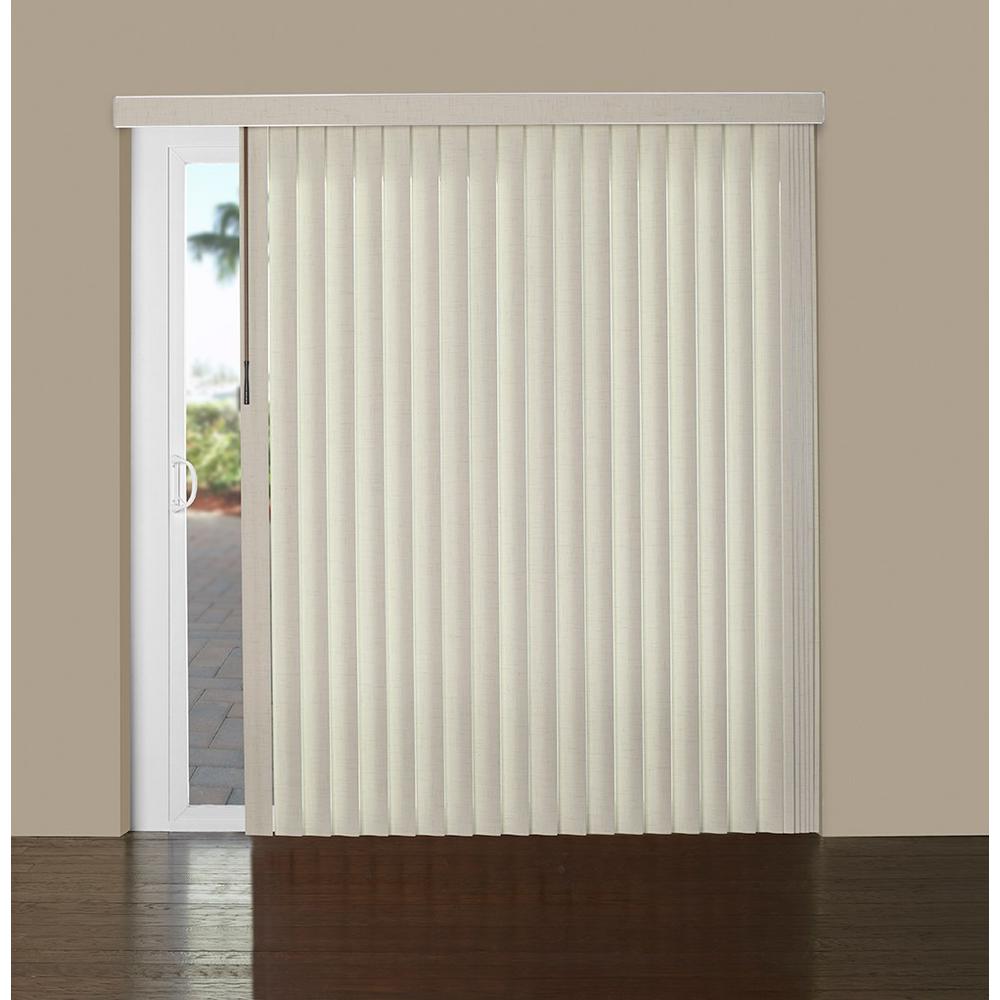
In the realm of Australian home improvements buying blinds is usually a visual journey. Fabric swatches catch your eye whether it's the clean lines of the Roman shade or the soft folds in a roller blind. It's a process focused on style, colour, and light control. The primary element in determining whether the blinds you choose to purchase are an benefit or a hassle is not visible in the showroom. Accuracy of measurement and skill in fitting are the most important factors. It's not an option to get a an expert in measuring and installing the irregular and unique windows that are commonly found in Australian houses. It's a requirement.
It's quite understandable. The desire to reduce costs and the notion that tape measurements do not lie are the main reasons. Window apertures can tell a very different story. A few windows are perfectly straight, square and consistent. Each home is unique in its architectural nuances regardless of whether it's a beautiful weatherboard residence, a sleek concrete apartment or a brick-veneer suburban home. The squareness of windows can be a few millimetres off. The depth of one of the sides of the reveal might be more than the opposite. The architrave could bow slightly in the middle. This isn't a problem. They are a characteristic of a built-in construction that settles down and enduring our weather. Professional installers do not only measure the height or width of the window; they also assess the condition of the window. Professional installers test multiple points to verify that the windows are square, they assess the depth, identify obstacles like windows that protrude or tiles and evaluate the wall surface. This method of assessing converts the raw data of the design into a plan to guarantee the best possible outcome.
This information is transferred into two basic fit choices such as inside mounting versus outside mounting.
A well-placed blind in the window recess provides the appearance of a built-in product. This option is also one of the most demanding. In order to work correctly it must have sufficiently deep and square. The professional will measure at the top of the recess as well as the middle and bottom. Then, he'll use the smaller measurement to ensure that the blinds don't get stuck. They measure at the centre of the recess, and also on the left and right. They employ the longest measurement to make sure that the blind is completely lined. They subtract tolerances for manufacturing (often only a few millimetres) to ensure the blind can operate smoothly. Even if you miss the calculation by 5 millimetres, the blind could be impossible to install. The blind will also snag or scrape each time it is used.
The outside mount is ideal for maximising light and making windows appear bigger. In this situation the ability of the professional lies in proportion and position. They know how to measure the distance between the frame of the window and the headrail to ensure that there aren't any gaps on the sides. They are also able to manage the appearance of the installation. The design will appear more logical and integrated into the architecture, rather than an afterthought.
With non-standard window designs The degree of complexity rises. This is evident by the rising popularity of corner and angled windows in Australian design. The standard 3-meter measurement isn't sufficient for these types of jobs. These require triangulation, angle finders and a thorough understanding of how the blind's mechanism will travel an unorthodox path. A professional will provide designs and special equipment to translate these complicated designs into a design which can be produced. For bay windows the blinds aren't simply measuring three separate windows; they are calculating the exact angles of intersection to ensure each blind fits its specific bay without unsightly gaps or overlaps, and ensuring the combined headrail can be fitted to the often sloping ceiling of the bay itself.
Next comes installation - the moment of the truth. Professionals will arrive via van, not by car. Their toolkit is comprised of high-quality drills, wall anchors for a variety of materials (bricks or plasterboards, concrete or steel studs) as well as laser and spirit levels as along with impact drivers. They are aware that drilling into the mortar of the brick joint is distinct than hitting the brick. They can find an stud for wall construction or a toggle bolt to secure hollow walls. It is essential to be safe when dealing with massive, heavy blinds as well as motorised units. Blinds that are poorly fitted, and with only plugs placed into the plaster, could cause an accident. They also handle the final adjustments--trimming cords to safe lengths, installing mandatory child-safety devices, and calibrating the tension on spring-assisted rollers--so the blind operates with a satisfying, reliable action from day one.
The expense of professional services is actually an insurance plan. This guarantees that the blind will work properly, safeguards any warranties (as DIY installation can void them) and prevents you from having to pay for blinds that don't fit. Additionally, it helps save time and money. The alternative--the DIY measurement error--leaves you with a blind that can't be installed, and a long return procedure, and weeks of delay all in the name of saving an upfront fee which is only a tiny fraction of the overall cost.
A trustworthy Australian blinds company must be able of generating faith in the work they do. The company must insist on a site visit if they are quoting for non-standard windows or even a complete home. The consultant should take more time to examine the windows rather than reading through catalogs. They should be able to explain their measuring logic and fitting recommendations clearly. This level of professionalism is the mark of a firm that will stand behind its products.
Blinds that are perfectly crafted combine elegant design with invisible engineering. The measurement is the precise plan, and the fitting is the skilled construction. The true value of specialist services lies in their technical knowledge. In a market that is flooded with pre-made choices This is the thing that makes them distinct. They don't just offer blinds, they also provide an option that is custom-made to the unique style of your home. The company ensures that you receive precisely what you desire when you visit the showroom. It includes an ideal fit, smooth operation and a stunning look. A job well done is when you can say that. Check out the top blinds for site advice including order window shades online, time blinds, door with blinds, high blinds, blinds single, shop shades, aq blinds, diy blinds au, quality window shades, blinds au and more.
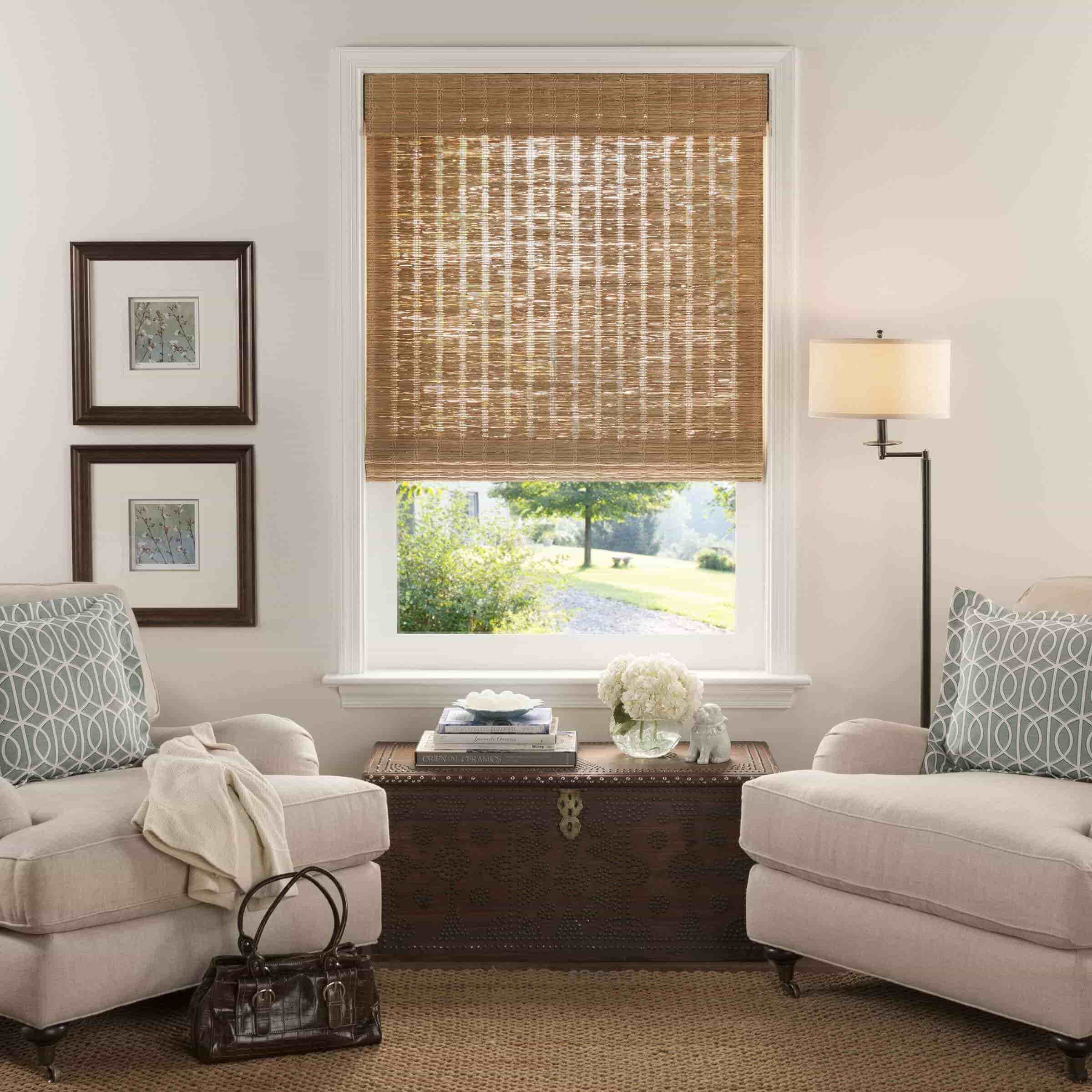
It Is Possible To Read The Fine Print To Understand Blind Warranties.
In the last stages of choosing blinds for your Australian home, as fabric samples are narrowed down and quotes are scrutinized, a important document will often be given just a glance before it is put away: the warranty. The warranty is typically described as a guarantee, or a mark of the quality of the product. However, in actual practice, a guarantee is not simply a vague assurance of satisfaction. It's a legally binding contract that lays out the exact limitations of the liability of the provider. Understanding the fine print of blinds -- a piece of furniture that is a combination of electronics, textiles and mechanics, and is exposed to the harsh Australian salt and sun daily -- could make the difference between protecting your investment and learning a costly lesson. The worth of a warranty lies not in how long it is however, but in the scope of what it covers.
The first and most frequent mistake is to concentrate solely on the duration of the warranty. "A five-year warranty sounds amazing" but without examining the coverage. A solid warranty will clearly separate the coverage into distinct categories as each component faces different failure modes. The warranty for fabric or material should be able to cover manufacturing flaws, such as faulty weave or delamination. But, it must be able to protect against premature fading. For Australia it is essential. Avoid vague language and look for a warranty clearly stated. The warranty will not be valid if the fabric is utilized outside or in a persistently humid, wet and unventilated location.
Separately, mechanical component warranties cover components that work, like the roller mechanism on blinds, lifting and tilting mechanisms on Venetians as well as the cords and ladders. It should cover any breakage caused by fatigue of the material or manufacturing fault under normal use. Importantly, the warranty will not be void if the standard maintenance or cleaning is carried out in accordance with manufacturer's instructions. The motors and electronics warranty is applicable to automated systems. It's the lowest warranty (usually 2 to 3 years, even though the fabric lasts 5 years) and is a reflection of the more sophisticated technology. This will include motors, receivers, and wiring.
The most significant, but the least understood section of the warranty document is the list of conditions and exclusions. Your obligations are outlined here. Here are a few of the most commonly used exclusions in warranties.
Installation is not permitted by anyone except the installer who is authorized. This is a very important problem. DIY installations even if flawless, frequently invalidates the warranty, as the manufacturer cannot assure the operation environment or stress that is placed on components.
Incorrect use or maintenance. Using abrasive cleaners, forcing an unbalanced blind to open, or failing to address an unintentional tangle in the cords can be considered as abuse.
The phrase "fair wear and tear" or "gradual diminution in performance" is a subjective term which can be used by manufacturers to reject claims made for mechanisms which are wearing out because of the use of their products frequently.
Fading or damage due to extreme environmental conditions. If you install an unrated blind that faces directly towards the ocean there is a good chance that the rapid corrosion of your blind will be covered.
This is the reason why the warranty is not an independent document. It is linked to the quality and service of the original installation. A warranty provided by a reputable and long-standing local company will be better value in the end than a similar one provided by an online retailer. Local suppliers have a physical location and they have their own installers whose work is covered, and they are in direct contact to the manufacturer in order to speed up any claims. They are incentivised to honour the warranty to ensure their community's reputation. Filing a claim with an entity that is far away can be a maze of call centers, uploading photos as well as long delays to a technician that may not show up.
Your questions to suppliers should go beyond the simple "Do you provide a warranty?" and become more specific. You should ask: "Can the supplier provide me with the warranty documents for the product I have selected prior to signing a contract?" "Does your fade warranty cover the colour I have selected and what are the minimum requirements for a legitimate claim?" "What is the process if the motor fails during the next year?" Do the motors need to be replaced on-site or is it sent to a regional service center?
The existence of an Australian Consumer Law (ACL) warranty also supports your purchase, regardless of manufacturer's warranty. The ACL mandates that products must be of acceptable quality, fit for purpose, and match their description. The ACL is able to protect you beyond the expiration of the warranty if your product is defective in a manner that is not reasonable for its price. The invocation of the ACL might require more effort than filing a warranty claim with the supplier who is willing to cooperate.
A good warranty is an expression of the trust the manufacturer has in its own product. It's been tested according to Australian conditions. It's your official guarantee against any flaws. It's not a comprehensive policy which covers all issues. You can unlock its power by partnering it with a provider who is reputable, guarantees the correct installation and acts as your advocate. It is important to not just have a warranty but also have a realistic and clear resolution plan should the unthinkable occurs. It is an important part of any purchase in Australia, a country where products will be exposed to the harshest light on earth. It turns a promise to peace of mind into something tangible that can be done.